


Who We Help

Person
An adult with learning disability and/or autism-related needs, alongside mental health needs, requiring round-the-clock support in a single-person setting.
Their presentation included periods of acute distress, significant emotional dysregulation, risk of self-harm, risk to self through self-neglect, and needs and risks that required a carefully designed environment without the right environmental safeguards and support model. A shared setting was not appropriate.
Challenge
They needed a home that could actively support safety, regulation and stability.
Standard housing would not have been suitable. The property needed to reduce triggers, allow staff to support safely, limit access to environmental risks, and provide privacy, predictability and control.
Key risks included self-harm, barricading, ligature points, unsafe access to sharps or heated appliances, distress linked to noise or overstimulation, and difficulties managing daily living safely without the right support around them.
Property Solution
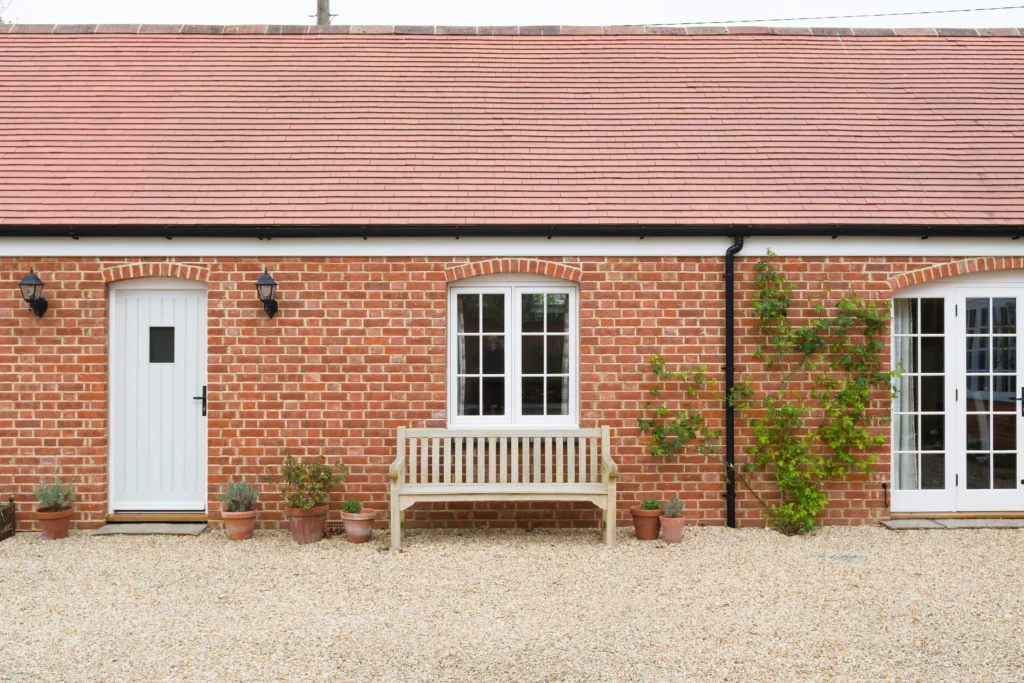
We sourced a property that could be adapted into a safe, single-person home aligned to the person’s support model.
The layout allowed for a balance of independence and oversight, with separate living spaces, large bathroom provision, controlled kitchen access, and private outdoor space.
The property was selected not simply on availability, but on whether it could be adapted to support a long-term community placement for someone with high-acuity needs.
Works
The property required substantial adaptation to make it safe, durable and fit for purpose.
Works included:
- Anti-barricade doors to key rooms including bedroom, bathroom and living areas.
- Safer-spec and anti-ligature considerations across key parts of the home.
- A wet-room style bathroom to improve safety, access and staff support.
- Lockable kitchen storage for sharps and potentially unsafe items, with the ability to secure access when needed.
- Temperature controls and restrictors to taps and radiators, alongside radiator protection.
- Window locks and restrictors throughout the property.
- Removal of environmental triggers, including exposed wires, certain glass features, access to loft and storage risks.
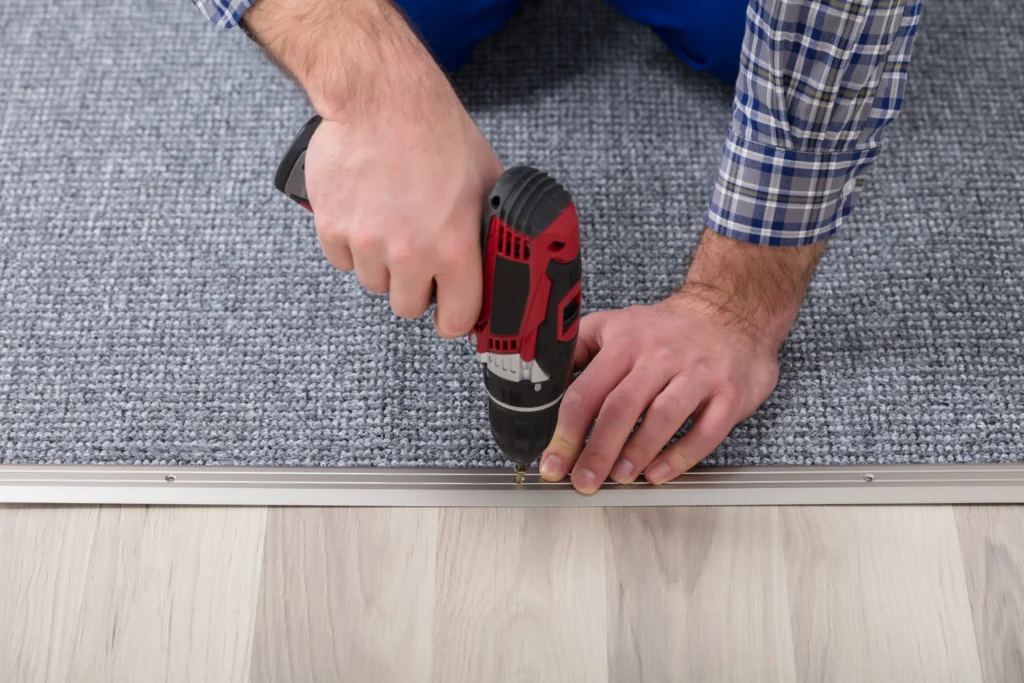
- Redecoration and replacement of surfaces and flooring to create a calmer, more robust environment that could withstand intensive use.
Outcome
The end result was a home designed around the person, not just their diagnosis.
By combining the right property with the right adaptation strategy, we created a safer and more sustainable environment for both the individual and the support team.
The property reduced avoidable risks, removed known triggers, and provided a setting better suited to long-term stability in the community.
The person has now been on their first holiday abroad, as well as seen their care drop from 3:1 to 2:1.